
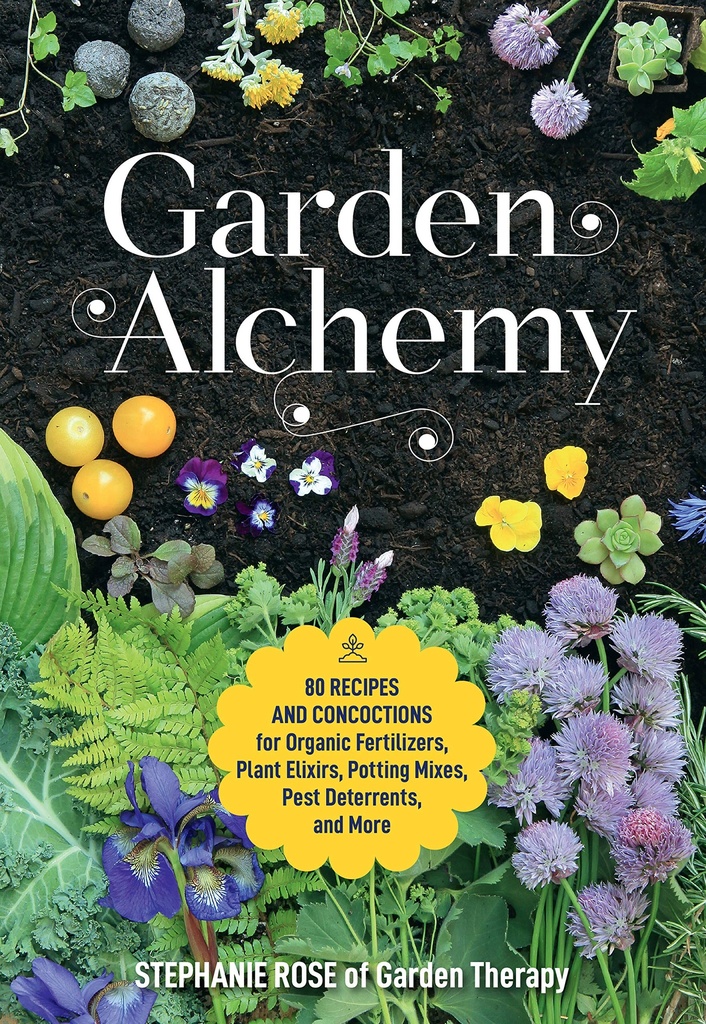
Garden Alchemy: 80 Recipes and Concoctions for Organic Fertilizers, Plant Elixirs, Potting Mixes, Pest Deterrents, and More
-
Save 10% when you buy two or more items.
-
Get 5% off your next purchase.
-
Enjoy free delivery on orders above $200.
-
Orders are processed and shipped from Canberra


3-6 days (Domestic)



Confidence-backed purchases with 30-day return support.

AUD |
PZRGEYT2OV7GIYAZ |
Category |
Crafts, Hobbies & Home , Gardening & Landscape Design , By Technique , Organic & Sustainable |
Tags |
This gardening recipe and project book is packed with over 80 ideas to naturally beautify your garden, using organic methods that regenerate your soil and revitalize your plants. By following the processes that are closest to nature, it brings the gardener in sync with the garden, allowing plants to thrive with less effort and less cost.
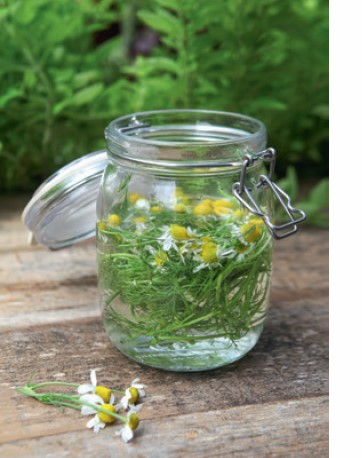
Recipes for mixing your own potting soils and homemadeorganic fertilizers give you the freedom to choose what ingredients make their way into your garden. Step-by-step instructions for building a compost pile, concocting soil tests, and constructing inexpensive DIY seed-starting equipment are accompanied by gorgeous, full-color, step-by-step photography. You’ll also find recipes for natural pest deterrents and traps, garden teas, and growth-boosting foliar sprays to help your garden grow strong all season long.
Garden Alchemy starts with home experiments to help you get to know your soil and customize recipes for your individual needs. The rest of the chapters share how to decipher and combine natural ingredients to make the best quality amendments and elixirs. Detailed descriptions of earth-based materials demystify common ingredients, such as mycorrhizae, biochar, and greensand, and help you learn how to fix common garden problems with minimal effort. The simple method of making use of what you have available supports plants better than brand-name products.
Dozens of recipes and projects include:
- Homemade seed bombs, disks, and tapes
- Granular and liquid natural fertilizer recipes
- DIY rooting hormone
- Herbal anti-fungal spray
- Plant propagation instructions
- Soil care recipes to adjust the pH and manage fertility
- 13 specialty potting mixes
- 7 clever traps for common garden pests
Written by Stephanie Rose, the creative gardener, permaculturist, and herbalist behind the popular website Garden Therapy, this fun and beautifully illustrated book is packed with great ideas and inspiration for DIY gardeners who want to embrace their creativity and have more control of the garden’s care.
What Is Garden Alchemy?
Whether you are a brand-new gardener or have many homegrown tomatoes under your belt, this book is full of recipes, concoctions, experiments, and projects for you to play with in your garden. Using nature as a guide, the recipes come from the earth and work to build on the foundation Mother Nature has created.
Get started with Garden Alchemy by completing the soil testing recipes in chapter 1. This will help you to get to know your unique garden soil. Then you can go through the recipes like a cookbook, finding those that look interesting to you and giving them a try in your space. Before long, you will have some new favorite natural ideas for growing a lush and thriving garden, along with the confidence that you know what truly works for your individual space.
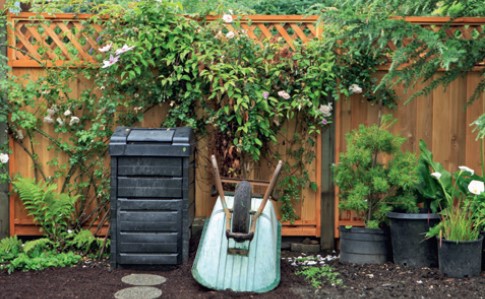
A Compost Recipe for Success
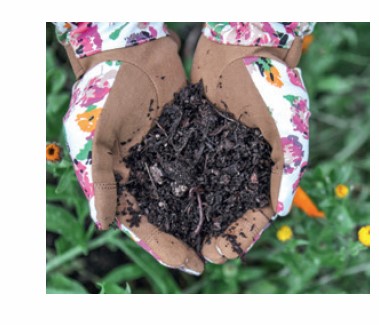
Healthy compost results from a combination of four ingredients: nitrogen, carbon, air, and moisture.
1 PART NITROGEN SOURCE (GREENS)
Green compost ingredients are those with higher nitrogen content, such as grass clippings, garden trimmings, and kitchen scraps. These materials rot quickly and are full of the compounds needed for fast microbial growth. They are usually quite wet and heavy and can get stinky fast unless you balance them with enough brown material. When choosing greens for your compost bin, limit any one item to no more than 20 percent of the total of greens. This will help to mitigate any issues that could come up by packing the bin with so much of one item that it quickly throws the whole mix off.
2 TO 3 PARTS CARBON SOURCE (BROWNS)
Brown compost ingredients are those with higher carbon content, such as paper, finely shredded woody material, and straw. Browns are dry and bulky, creating spaces for air to reach the greens. They do not decay rapidly without greens because they do not hold enough moisture.
COMPOSTING SHOULDN’T BE GROSS
If you think composting is yucky or dirty, you aren’t doing it right! Compost should smell fresh, sweet, and earthy, like the forest. Overly stinky compost is not properly in balance, but it is an easy fix.
Too many greens, too much of one type of greens, or too much water in your compost could cause it to become soggy and smell bad.
Compost can start to stink when there aren’t enough carbon materials to balance out wetness. In this case, remove any of the soggy, offending materials, add more brown materials, and turn your compost to introduce air. In most cases, this will help remedy the problem.
Keep These Materials Out of Compost
Pesticides and herbicides
Compostable grocery bags
Evergreen clippings
Meat, bones, dairy, or animal product food scraps
Pet waste
Diseased plant material
Plants that have gone to seed
Large logs, thorny branches
Worm Food Recipe
Materials
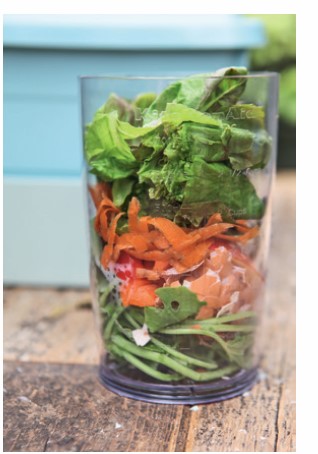
Kitchen scraps, such as:
Raw vegetables
Egg shells
Coffee grounds
Flowers
Green leaves from garden
Avoid: cooked food, dairy, meat, bones, vinegar, oil, citrus, or juicy produce (e.g., tomatoes, watermelon)
Also, do not include any plant seeds, as worm digestion does not create the heat necessary to sterilize the seeds. (In fact, the seeds would be thrilled to germinate in nutrient-rich worm castings!)
Special dietary needs? You bet! Worms are raw-food, gluten-free vegans.
Worms love to eat what you give them, but having a balance of different materials ensures the environment stays healthy. Just like composting, a good rule of thumb is to make sure that no more than 20 percent of their food is made up of one material.
Make it!
Feed the worms weekly, alternating placing the food through the four corners of the bin. By the time a month has gone by, the worms will have had time to digest the scraps in the first corner.
The worms can easily survive for a month without food so don’t worry if you need to go on vacation. Just feed them when you get home, and they will be happy to hold down the fort until you are back.
Product details
| Main Specification | |
|---|---|
| Publication Date | February 18 or 2020 |
| Brand | Stephanie Rose |
| Item Weight | 2.31 pounds |
| Product information | |
| Language | English |
| Others | |
| Product Type | Organic & Sustainable |
| Edition | Illustrated |
| Publisher | Cool Springs Press |
| Print length | 128 pages |
| ISBN-10 | 0760367094 |
| ISBN-13 | 978-0760367094 |
| Dimensions | 6.7 x 0.6 x 9.7 inches |
| ISBN10 | 0760367094 |
| ISBN13 | 978-0760367094 |
Shipping & Delivery
At GofinchKart Australia, we aim to deliver your order quickly and safely.
Domestic Shipping (Australia):
Orders are typically delivered within 3–7 business days.
International Shipping:
Estimated delivery time is 12–26 business days, depending on the destination and customs processing.
Once your order has been dispatched, you will receive a tracking number. Delivery times may vary during public holidays or due to unforeseen delays.